

Research & Innovation
A Campus Designed for Aquaculture & Research
Science Supporting the Bay
Partnering with researchers and growers to advance shellfish aquaculture in the Chesapeake and Coastal Bays.
Ferry Cove combines commercial shellfish production with applied research and environmental monitoring to support the future of aquaculture in the Chesapeake and Coastal Bays.
Through partnerships with universities, researchers, and industry leaders, the hatchery explores new technologies and production methods that strengthen both coastal economies and environmental resilience.

Improving Oyster Production
Ferry Cove works with growers, researchers, and industry partners to improve oyster hatchery practices, larval survival, and production efficiency to support a stronger and more sustainable aquaculture industry.

Optimizing Oyster Setting
Millions of oysters are planted each year for aquaculture and restoration projects. Ferry Cove is working to improve oyster setting techniques to achieve more consistent spat distribution, reducing costs and increasing survival.
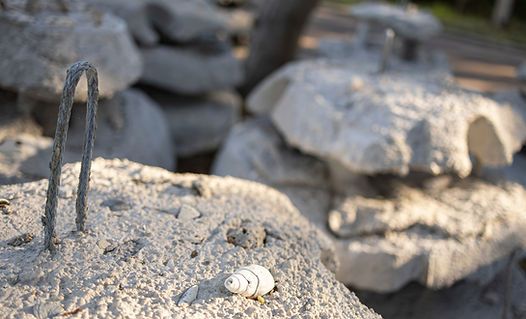
Man-Made Oyster Shell Development
Limited oyster shell supply is a major challenge for restoration and aquaculture. Ferry Cove is working to develop cost-effective artificial shell materials that could help meet future demand.
Advancing Aquaculture
Exploring innovative aquaculture methods and emerging species to support sustainable seafood production and the future of working waterfronts.

Clams
The soft-shell clam (Mya arenaria) was once a major Maryland fishery but has declined significantly over time. With support from the Rural Maryland Council, Ferry Cove is researching hatchery methods to produce clam seed at scale to create new aquaculture opportunities for the region.

Blue Crabs
In partnership with the UMD Institute of Marine and Environmental Technology, Ferry Cove is studying aquaculture systems that could support the production of peeler and soft crabs from early life stages, helping diversify Maryland’s seafood industry.

Bay Scallops
Bay scallops were once common in coastal bays throughout the region but have experienced significant population declines. Ferry Cove is supporting research into scallop propagation and aquaculture methods that could contribute to restoration efforts and future shellfish production.

Sea Lettuce
Ferry Cove is also exploring the cultivation of sea lettuce, a fast-growing native seaweed with potential environmental and commercial benefits. Sea lettuce aquaculture may help improve water quality by absorbing excess nutrients while creating new opportunities for sustainable coastal products.
Learn More in Field Notes


Environmental Monitoring
Ferry Cove supports aquaculture and Chesapeake Bay monitoring efforts that strengthen environmental resilience and restore natural systems.

Harmful Algal Bloom Monitoring
Ferry Cove participates in the NOAA Phytoplankton Monitoring Network to track local algae species and detect harmful blooms that could affect aquaculture and human health.
Sea Level Monitoring
In partnership with the University of Maryland’s Climate Resilience Network, Ferry Cove hosts a monitoring station that collects real-time sea level data used for climate research and resilience planning.
Weather Monitoring
Ferry Cove also hosts a Maryland Mesonet weather station that provides real-time observations used by the National Weather Service and regional forecasting systems.